How to make a mechanism of action diagram
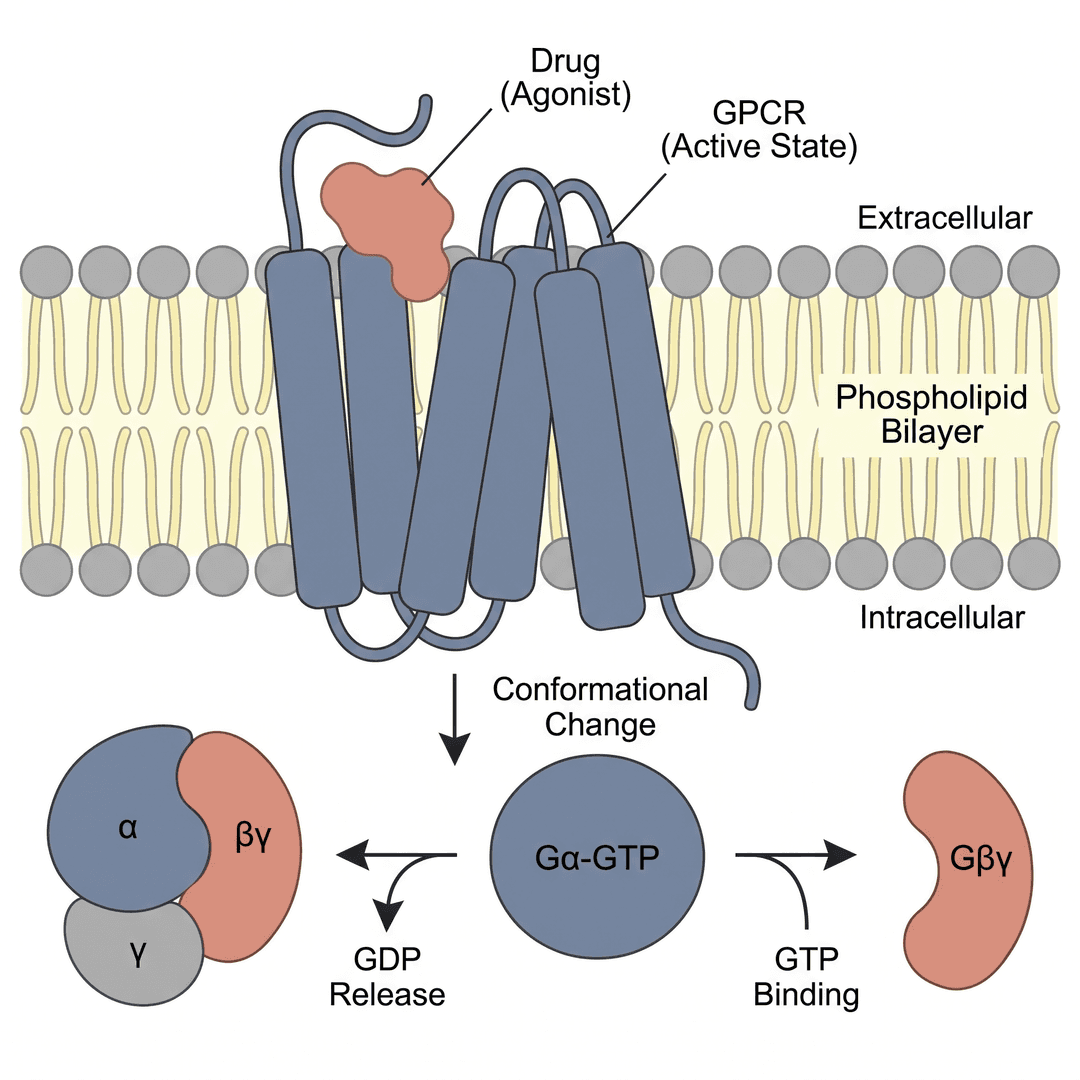
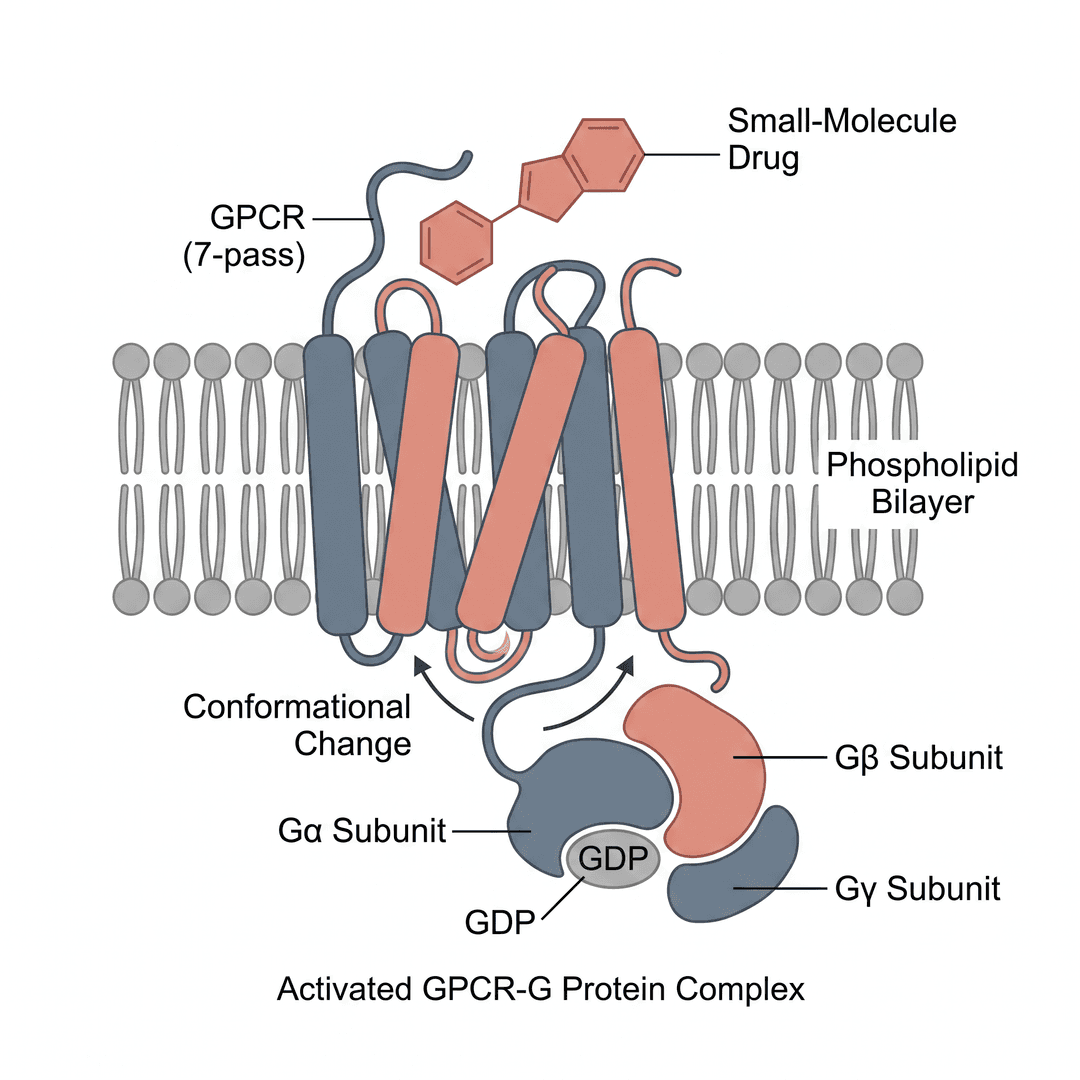
A good mechanism diagram shows how something works at a glance — the drug binding the receptor, the cascade it triggers, the final effect. It's the kind of figure that makes a reviewer grasp your argument instantly. Describe the pathway and get a clear, textbook-style diagram.
What a mechanism diagram is
It's the spatial representation of a molecular or physiological pathway: where each element sits (membrane, receptor, intracellular compartment), how one step leads to the next (cause-and-effect arrows), and what the outcome is. It's not a list of molecules — it's the pathway's logic drawn for the eye.
What a good diagram needs
An explicit spatial layout (e.g. membrane spanning the middle, cascade below), short real labels for each molecule/step, curved or 90-degree arrows showing direction, and a restrained palette that highlights the key point. Accuracy matters: plausible structures convey credibility.
Common mistakes that confuse the reader
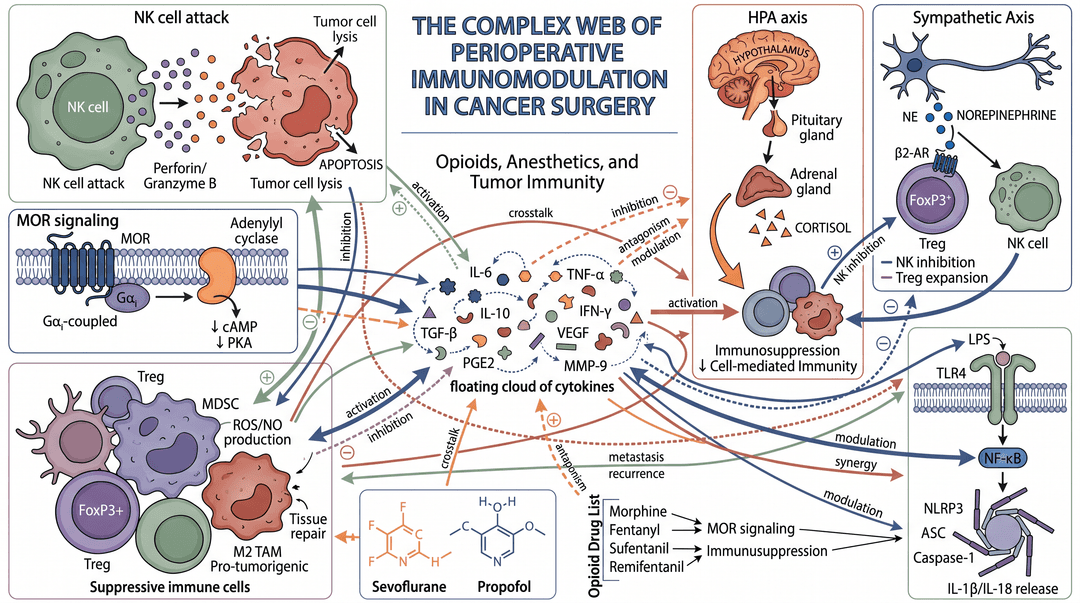
A soup of arrows with no clear direction; loose molecules with no spatial position; too much text inside the figure; and mismatched icon styles. If the reader can't follow the pathway from start to finish, the diagram failed at its one job.
- 1Describe the pathway
e.g. "GPCR receptor in the membrane, drug binding, conformational change, G-protein activation, intracellular cascade".
- 2The assistant structures the diagram
It sets the spatial layout, labels, and cause-and-effect arrows in paper-figure style. You review it before spending a credit.
- 3Generate and export
Get it in seconds and download PNG, TIFF 300 DPI, or PDF — for the paper or the lecture slide.
Create your mechanism diagram now
Describe the pathway and get a clear mechanism-of-action diagram in seconds. No subscription — pay only for what you use.
Start a new figure